
AI Glossary
Robotics – Short Explanation
Robotics combines engineering, AI, and automation to build machines that can interact with the physical world and perform tasks at varying levels of autonomy. Modern robotic systems range from industrial arms to humanoid robots and autonomous mobile robots, and their performance depends heavily on the quality and diversity of multimodal training data — visual, sensor, and human-feedback signals.
Robotics and Physical AI
Recent robotics progress comes from combining vision, language, and control systems with better simulation and real-world feedback data. Performance gains depend heavily on data coverage across edge cases — which is why teams collect custom robotics datasets instead of relying on academic benchmarks alone.
For commercial deployments, teams should prioritize safety validation, failure recovery design, and continuous human oversight where environmental uncertainty is high.
Key implementation points
- Evaluate robotic systems across varied lighting, terrain, and object conditions.
- Collect real-world failure data and close the loop with targeted retraining.
- Use human review checkpoints in high-risk automation workflows.
Related LXT resources
Real-World Applications of Robotics
Robots started to impact businesses and individuals in a big way in the late ’90s and early 2000s. Primarily used in manufacturing, by 2005, close to 90% of robots were in use within automotive facilities. At that time, robots were relatively simple machines designed with a particular task in mind. That is changing, and robots are now part of many industries and everyday activities, helping businesses work faster, safer, and more efficiently. While robotics is often linked with manufacturing, modern robots are also widely used in logistics, healthcare, retail, agriculture, and homes.
Manufacturing and Industrial Automation
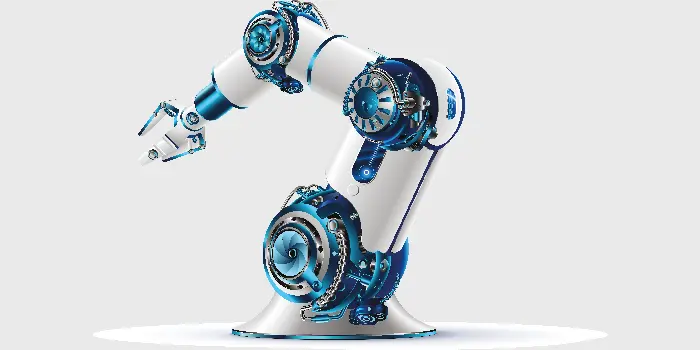
In manufacturing, robots are commonly used for assembly, welding, packaging, painting, and product inspections. Industrial robotic arms can handle repetitive tasks with speed and precision, which helps companies improve productivity and reduce mistakes. The automotive industry remains one of the biggest users of robotics, with robots supporting everything from assembling vehicle parts to final quality checks.
Logistics and Warehouse Operations
Robotics has also become an important part of logistics and warehouse operations. Many warehouses now use autonomous robots to move inventory, sort packages, and assist with order fulfillment. These systems help businesses manage large volumes of goods more efficiently while reducing manual workload for employees.
Robotics in Healthcare
In healthcare, robots support doctors, surgeons, and hospital staff in different ways. Surgical robots can assist during complex procedures, while other robotic systems help with rehabilitation, patient monitoring, and hospital deliveries. Some hospitals also use robots for cleaning and disinfecting rooms, helping maintain safer environments for patients and staff.
Consumer and Household Robotics
Robots are also becoming more common in homes. Devices such as robotic vacuum cleaners and lawn mowers can move around independently using sensors and navigation technology. These products are designed to handle routine tasks and make daily life more convenient for users.
Agriculture and Field Robotics
Agricultural robots help improve efficiency while reducing reliance on manual labor. They also help monitor crop health, automate irrigation, assist with harvesting, and collect field data. These systems help farmers manage large-scale operations more effectively.
Security, Exploration, and Hazardous Environments
Robots are also used in security, disaster response, and space exploration. Some robotic systems are designed to inspect dangerous environments, assist during emergencies, or explore locations that may be unsafe for humans. These robots can operate in extreme conditions while collecting valuable data and supporting critical operations.
Tip:
Robotic systems rely on accurate sensor data, visual recognition, and natural language processing to function effectively in dynamic environments.
LXT delivers high-quality multimodal training data – including annotated images, speech commands, and real-world interaction data – to support the development of smarter, safer, and more adaptable robotic systems.
Advantages and Disadvantages of Using Robotics
Advantages of Using Robotics
1. Work gets done faster and around the clock
Robots do not need breaks, sleep, or shift changes. In factories and warehouses, this can dramatically increase output and reduce delays.
2. Safer working conditions
Robots are often used for jobs that are risky, dirty, or physically demanding. From handling chemicals to lifting heavy materials, they help reduce workplace injuries and accidents.
3. Reliable and consistent results
Once a robot is trained or programmed, it can repeat the same task with very high accuracy. This helps reduce defects, improve quality, and cut down on wasted materials.
4. Long-term cost benefits
The upfront cost can be high, but many companies save money over time through fewer errors, lower downtime, and reduced reliance on repetitive manual labor.
5. Easy to scale operations
As demand grows, robotic systems can often be expanded or updated faster than hiring and training large teams.
Disadvantages of Using Robotics
1. Expensive to get started
Buying, integrating, and maintaining robots requires a large initial investment. Smaller businesses may find it difficult to justify the cost early on.
2. Struggles with unpredictable situations
Robots work best in structured environments. When conditions change or unexpected events happen, humans still outperform machines.
3. Ongoing maintenance and monitoring
Robots need regular updates, repairs, and skilled technicians to keep them running smoothly. Downtime can be costly if systems fail.
4. Changes to jobs and workforce roles
Automation can reduce the need for repetitive tasks while increasing demand for technical and supervisory roles. This shift requires reskilling and planning.
5. Safety and responsibility concerns
If robotics systems are poorly designed or tested, they can introduce new risks. Careful deployment and human oversight remain essential.
Robotics in the World of AI
When discussing robots in the world of AI, it is essential to understand that currently, there are no robots capable of replicating the feats of Arnold in the Terminator. Autonomous robots are capable of operating without significant supervision, but even in this case they have a very clearly defined scope of responsibility. A great example of an autonomous robot is a robotic vacuum cleaner. Here the vacuum cleaner uses sensors to navigate a room or a home and will clean up dust and debris within the scope of its area.