

Earlier this year, we released The Path to AI Maturity 2025, our annual executive survey that tracks the evolution of AI maturity and the rise of generative AI. Over the past four years, AI maturity has surged across U.S. enterprises. In 2025, 83% of organizations report traditional AI in production, and 16% have reached transformational adoption, where AI is embedded in business DNA. Generative AI is advancing even faster: 76% of organizations are at operational or systemic levels, and 19% have achieved transformational maturity.
In this follow-on report, The ROI of High-Quality AI Training Data 2025, we explore how enterprises are evaluating the return on investment (ROI) of the information that powers their AI systems, and the most valued outcomes they seek. We examine investment levels and priorities, sourcing strategies, and how high-quality, human-validated data is driving success across industries.
AI investment and budgets prioritize data
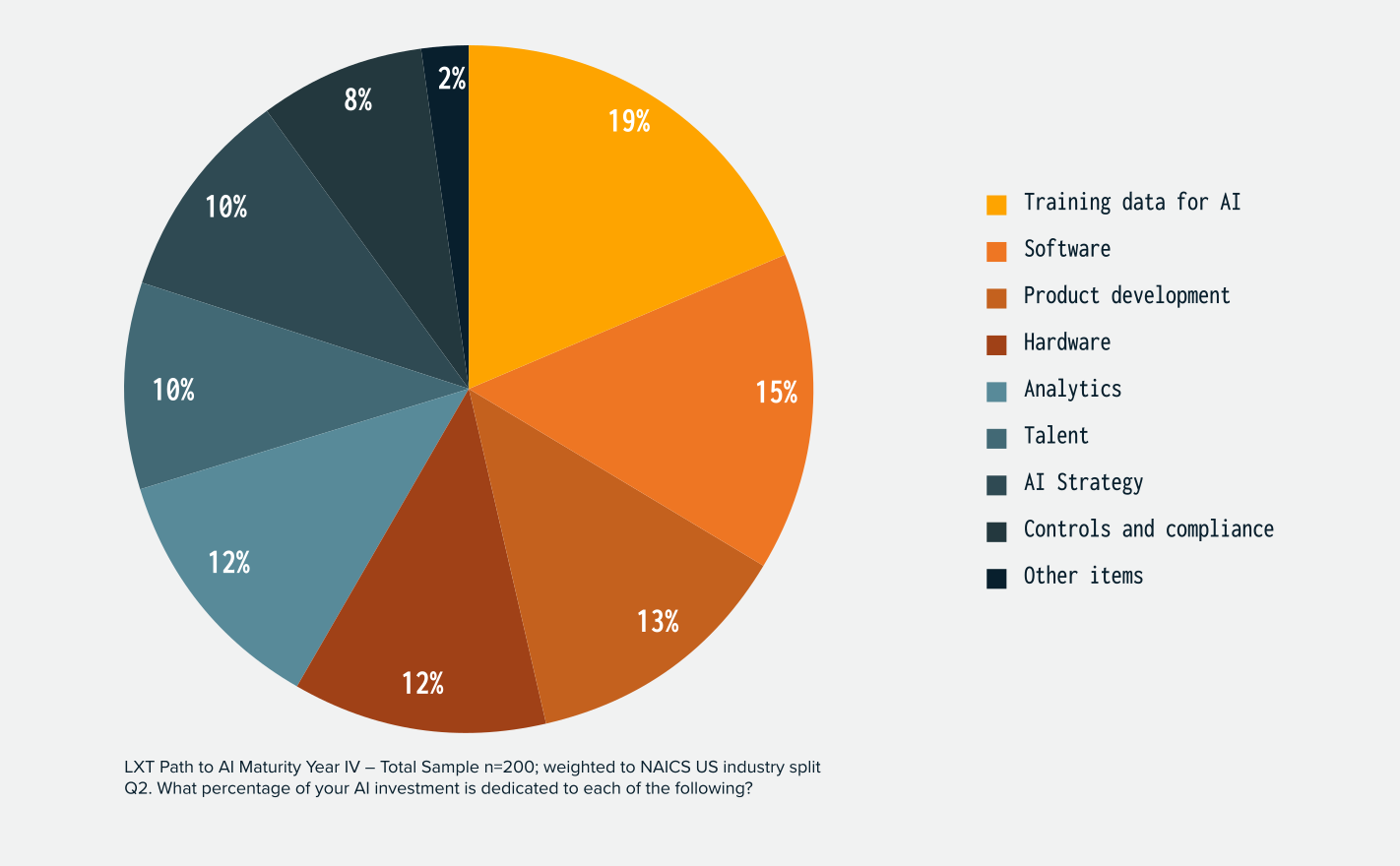
AI investment remains strategic and measured. More than half of organizations (54%) allocate $1M–$75M annually, with 30% spending more than $75M. Within those budgets, training data is the #1 priority, accounting for 19% of AI spend, ahead of software (15%) and product development (13%).
How enterprises define ROI today
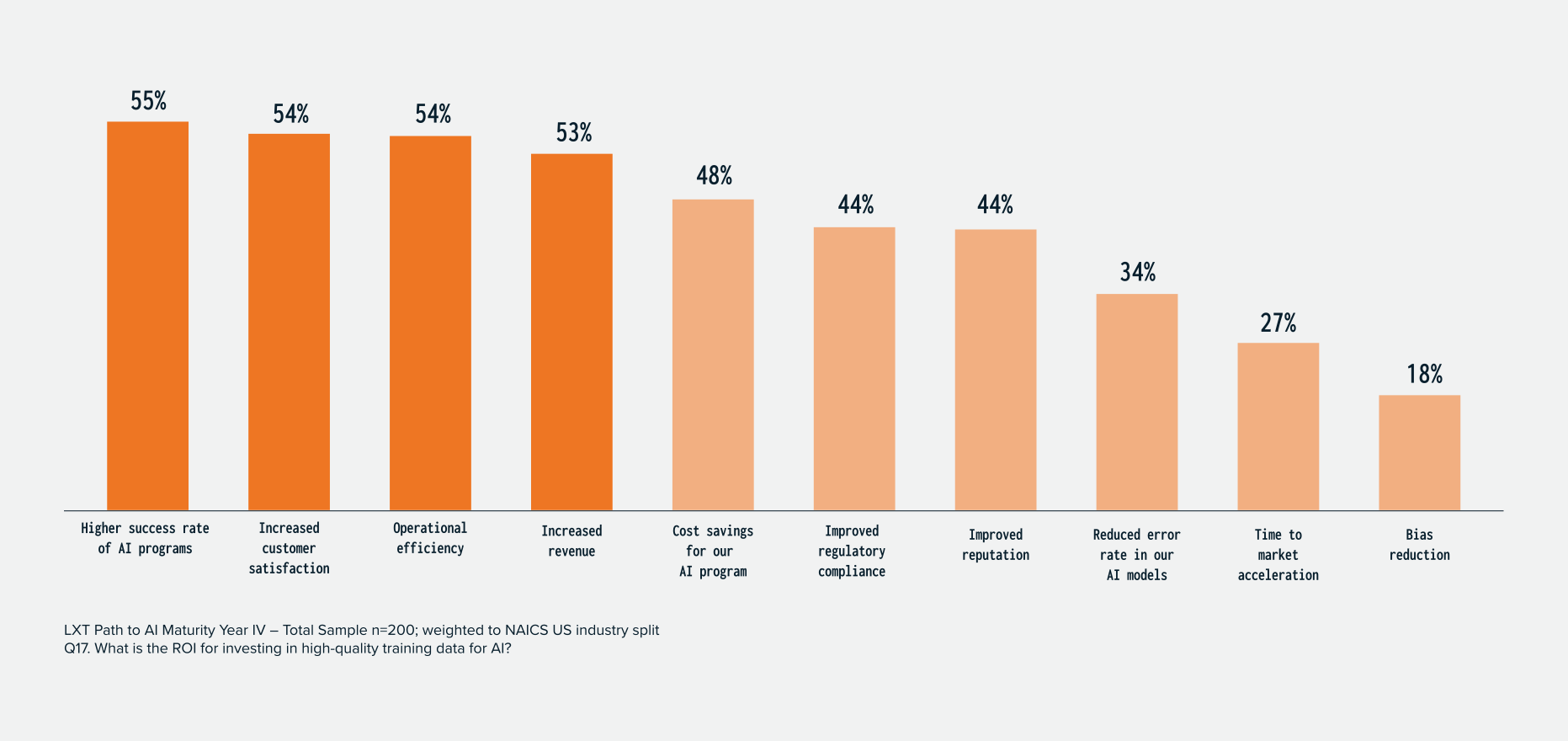
Organizations measure the ROI of high-quality training data through multiple lenses. In 2025, the top outcomes include higher success rate of AI programs (55%), increased customer satisfaction (54%), operational efficiency (54%), and revenue growth (53%).
Demand for high-quality, domain-specific data
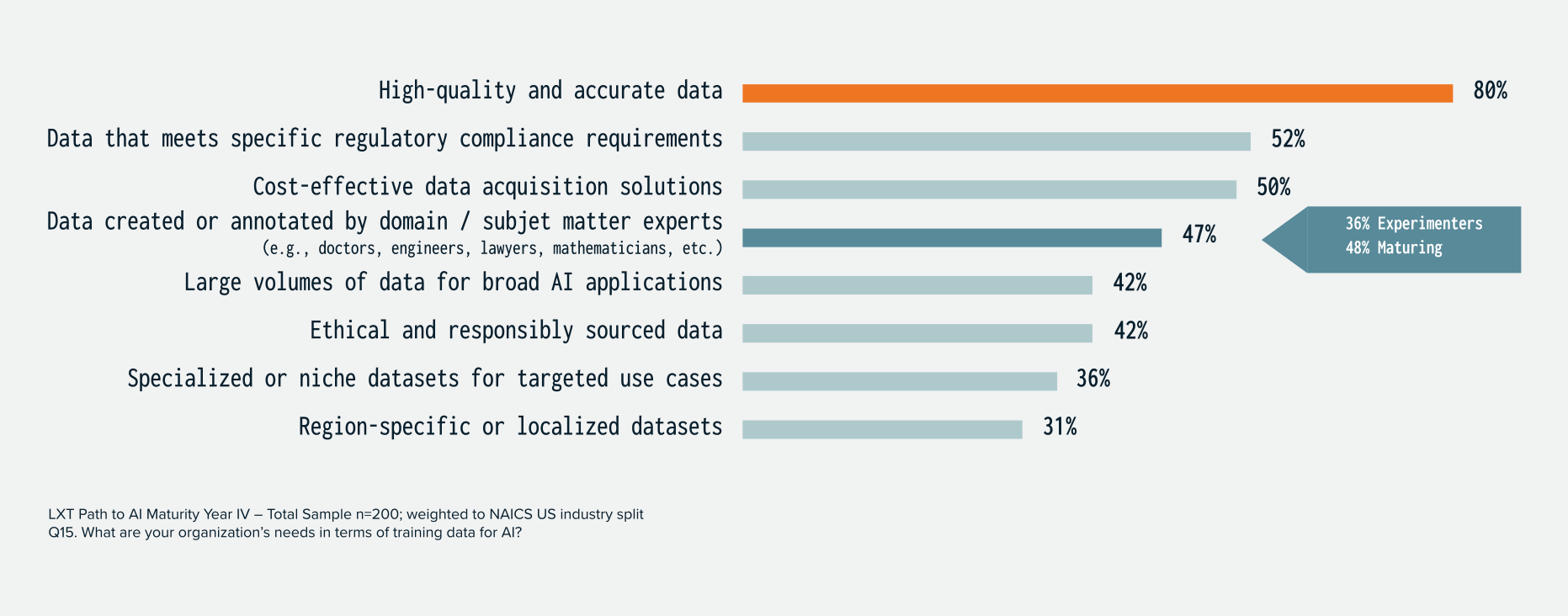
80% of organizations prioritize high-quality, accurate data, and nearly half require annotation by domain or subject matter experts (doctors, engineers, lawyers, etc.). Generic datasets are no longer enough – data must reflect the language, logic, and regulatory context of each industry.
External providers play a critical role
While 70% of organizations use internal data, 59% rely on external providers for scale, bias reduction, and specialized services such as the fine tuning and evaluation of large language models (LLMs). Only 5% report not using external partners at all.
The bottom line
As AI moves from experimentation to enterprise-wide transformation, high-quality training data is no longer optional—it’s the engine of innovation and trust. Organizations that prioritize quality and specialization will unlock the full ROI of their AI investments.
The survey included responses from 200 senior decision-makers at US organizations with at least $100 million in annual revenue and more than 500 employees. Two-thirds of respondents were from the C-Suite and all those who took part had verified AI experience.
To review the full findings, download the report here.